

Importance: Why the Right Golf Ball Matters More Than You Think
Golf is a game of precision, patience, and consistency.
Many players focus on clubs, swings, and practice routines.
However, the golf ball plays an equally critical role.
Choosing the right golf ball affects distance, accuracy, and control.
Every shot begins and ends with the golf ball.
Understanding golf ball importance helps players improve performance.
It also builds confidence during competitive play.
Professional golfers never ignore ball selection.
Amateur players often overlook this essential detail.
This guide explains why golf balls truly matter.
Understanding What a Golf Ball Really Does
A golf ball transfers energy from the club to the air.
It determines launch angle, spin rate, and flight stability.
Different balls behave differently under similar swings.
Small design changes produce noticeable performance variations.
Golf balls influence every stage of ball flight.
Golf ball design affects compression, speed, and feel.
Some balls travel farther with less effort.
Others offer superior control around greens.
Selecting the correct ball improves shot consistency.
It also reduces unnecessary scoring mistakes.
Golf Ball Construction and Its Impact
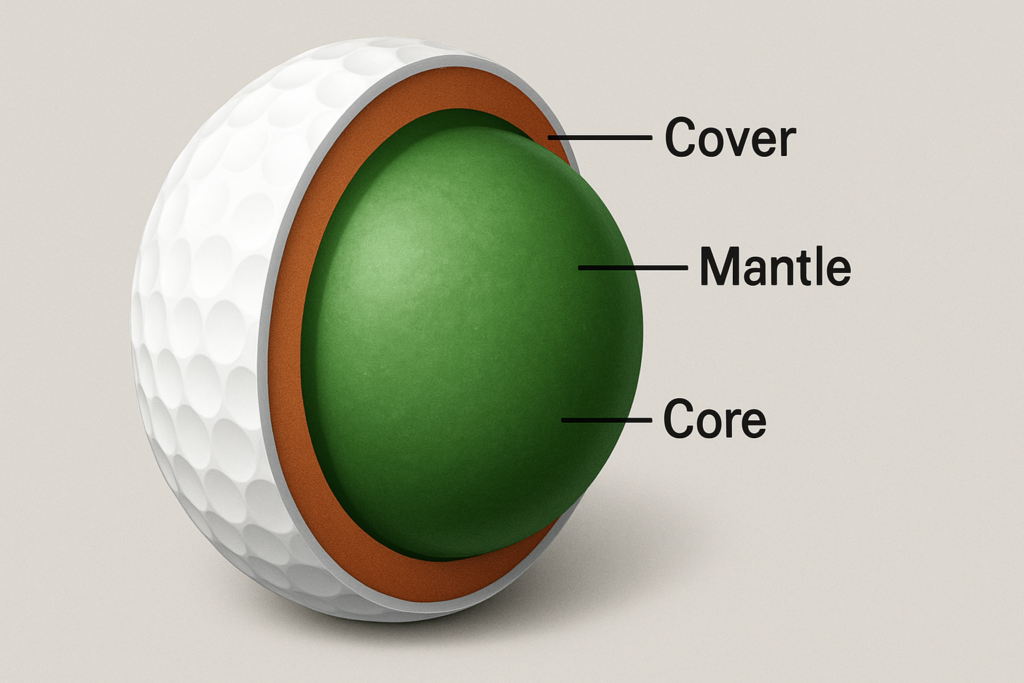
Modern golf balls feature advanced multi-layer construction.
Each layer serves a unique performance purpose.
The core controls compression and initial velocity.
Inner layers manage spin and energy transfer.
The cover affects durability and short-game control.
Two-piece balls suit beginners and high-handicap golfers.
Multi-layer balls benefit experienced players.
Soft covers increase spin around greens.
Firm covers enhance durability and distance.
Construction directly influences shot outcomes.
Why Compression Matters in Golf Balls
Compression measures how much a golf ball deforms at impact.
Low compression balls suit slower swing speeds.
High compression balls require faster swings.
Incorrect compression reduces distance efficiency.
Proper compression maximizes energy transfer.
Senior golfers often benefit from softer balls.
Younger players may prefer firmer designs.
Compression affects feel and responsiveness.
Choosing correctly improves comfort and control.
It also prevents wasted swing effort.
Golf Ball Spin and Shot Control
Spin determines how the ball behaves mid-air.
Backspin helps lift the ball higher.
Side spin influences shot curvature.
Too much spin reduces distance accuracy.
Controlled spin enhances precision shots.
Low-spin balls suit straight hitters.
High-spin balls assist skilled shot shaping.
Short-game spin improves stopping power.
Green-side control depends heavily on spin.
Spin selection shapes scoring potential.

Dimple Design and Aerodynamics
Dimples reduce air resistance during flight.
They stabilize the ball’s trajectory.
Dimple patterns affect lift and drag.
Shallow dimples produce lower flight paths.
Deep dimples increase hang time.
Manufacturers test dimple configurations extensively.
Aerodynamics impact consistency in windy conditions.
Flight stability improves shot reliability.
Distance gains come from optimized airflow.
Dimples are essential performance features.
Distance vs Control: Finding the Balance
Distance attracts most amateur golfers.
However, control lowers scores more effectively.
Long drives matter less than accurate approaches.
Golf balls vary in distance-control balance.
Selecting incorrectly creates scoring challenges.
Distance balls reduce spin for longer shots.
Control balls increase spin near greens.
Balanced balls suit most recreational players.
Course layout influences ball selection.
Smart choices improve overall performance.
Importance of Golf Ball Feel
Feel describes feedback at impact.
Soft balls feel smoother during contact.
Firm balls feel more responsive.
Feel affects confidence and swing rhythm.
Comfort influences shot commitment.
Players develop preferences over time.
Feel impacts putting accuracy significantly.
Short-game shots require better touch.
Wrong feel disrupts shot execution.
Confidence begins with proper feel.
Golf Balls for Beginners
Beginners benefit from forgiving golf balls.
Low compression improves distance easily.
Reduced spin minimizes slicing issues.
Durable covers lower replacement costs.
Simple designs support learning consistency.
Two-piece balls suit beginners best.
They offer straight flight paths.
Mistakes remain less punishing.
Confidence grows faster with forgiving balls.
Early success encourages continued practice.
Golf Balls for Intermediate Players
Intermediate golfers need balanced performance.
Moderate spin improves approach shots.
Distance remains important but controlled.
Soft feel enhances short-game precision.
Multi-layer balls become beneficial.
Skill development demands adaptable equipment.
Consistency matters more than power.
Balanced golf balls support progress.
Shot shaping becomes easier.
Performance stability improves round results.
Golf Balls for Advanced Golfers
Advanced players require precision control.
High-spin balls support creative shot shaping.
Soft covers improve green-side stopping.
Compression matches faster swing speeds.
Tour-level balls offer superior feedback.
Small differences affect scoring outcomes.
Advanced golfers notice subtle performance changes.
Equipment customization becomes essential.
Ball selection matches playing style.
Elite performance demands premium golf balls.
Golf Ball Importance in Short Game
Short-game shots decide final scores.
Golf balls influence chip and pitch behavior.
Spin control determines roll distance.
Soft covers grip club grooves better.
Accuracy improves around greens.
Putting feel depends on ball design.
Distance control becomes more predictable.
Confidence increases with reliable response.
Wrong balls cause inconsistent rolls.
Short-game success begins with ball choice.
Weather Conditions and Golf Ball Choice
Weather affects golf ball performance.
Cold temperatures reduce ball compression.
Soft balls perform better in cold climates.
Hot conditions increase ball responsiveness.
Wind requires stable ball flight.
Humidity impacts cover durability.
Rain demands better grip control.
Weather-appropriate balls enhance consistency.
Ignoring conditions reduces scoring potential.
Adaptability improves overall play.
Course Type and Golf Ball Selection
Course design influences ball choice.
Firm fairways reward distance balls.
Soft greens favor high-spin balls.
Narrow layouts demand accuracy.
Wide courses allow aggressive play.
Course length affects compression needs.
Elevation changes impact flight behavior.
Course knowledge improves equipment decisions.
Correct ball selection lowers risk.
Preparation leads to better scoring.

Durability and Cost Considerations
Golf balls vary in durability.
Premium balls wear faster due to soft covers.
Budget balls last longer but spin less.
Frequent players consider long-term value.
Lost balls increase replacement costs.
Beginners benefit from durable designs.
Experienced players accept faster wear.
Cost influences consistent ball usage.
Using one model improves familiarity.
Consistency outweighs frequent switching.
Golf Ball Rules and Regulations
Golf balls must meet official regulations.
Size, weight, and distance limits apply.
Illegal balls are prohibited in competition.
Rules ensure fair play standards.
Conforming lists guide approved choices.
Recreational players still benefit from compliance.
Regulated balls perform predictably.
Tournament play demands approved equipment.
Understanding rules prevents penalties.
Legality supports consistent performance.

Psychological Importance of Golf Ball Choice
Confidence impacts golf performance greatly.
Trusting equipment improves decision-making.
Familiar balls reduce hesitation.
Mental comfort supports smoother swings.
Confidence enhances scoring consistency.
Players attach beliefs to equipment.
Comfort reduces swing tension.
Positive mindset improves execution.
Wrong choices create doubt.
Belief supports better outcomes.
How to Choose the Right Golf Ball
Assess swing speed honestly.
Evaluate short-game priorities.
Consider typical playing conditions.
Match ball features to skill level.
Test multiple models during practice.
Track performance differences carefully.
Avoid switching balls frequently.
Consistency builds familiarity.
Trust performance results.
Correct selection improves long-term results.
Common Golf Ball Selection Mistakes
Many players copy professionals blindly.
Tour balls may not suit amateurs.
Ignoring swing speed reduces efficiency.
Overvaluing distance harms control.
Frequent switching disrupts consistency.
Marketing claims confuse buyers.
Testing matters more than branding.
Personal performance outweighs popularity.
Simple choices often perform best.
Avoid unnecessary complexity.

Final Thoughts on Golf Ball Importance
Golf balls influence every shot outcome.
They affect distance, control, and confidence.
Ignoring ball choice limits improvement.
Correct selection enhances consistency.
Small changes create meaningful results.
Understanding golf ball importance empowers players.
Informed choices lower scores gradually.
Equipment knowledge supports skill growth.
Golf success requires complete preparation.
The right golf ball truly matters.
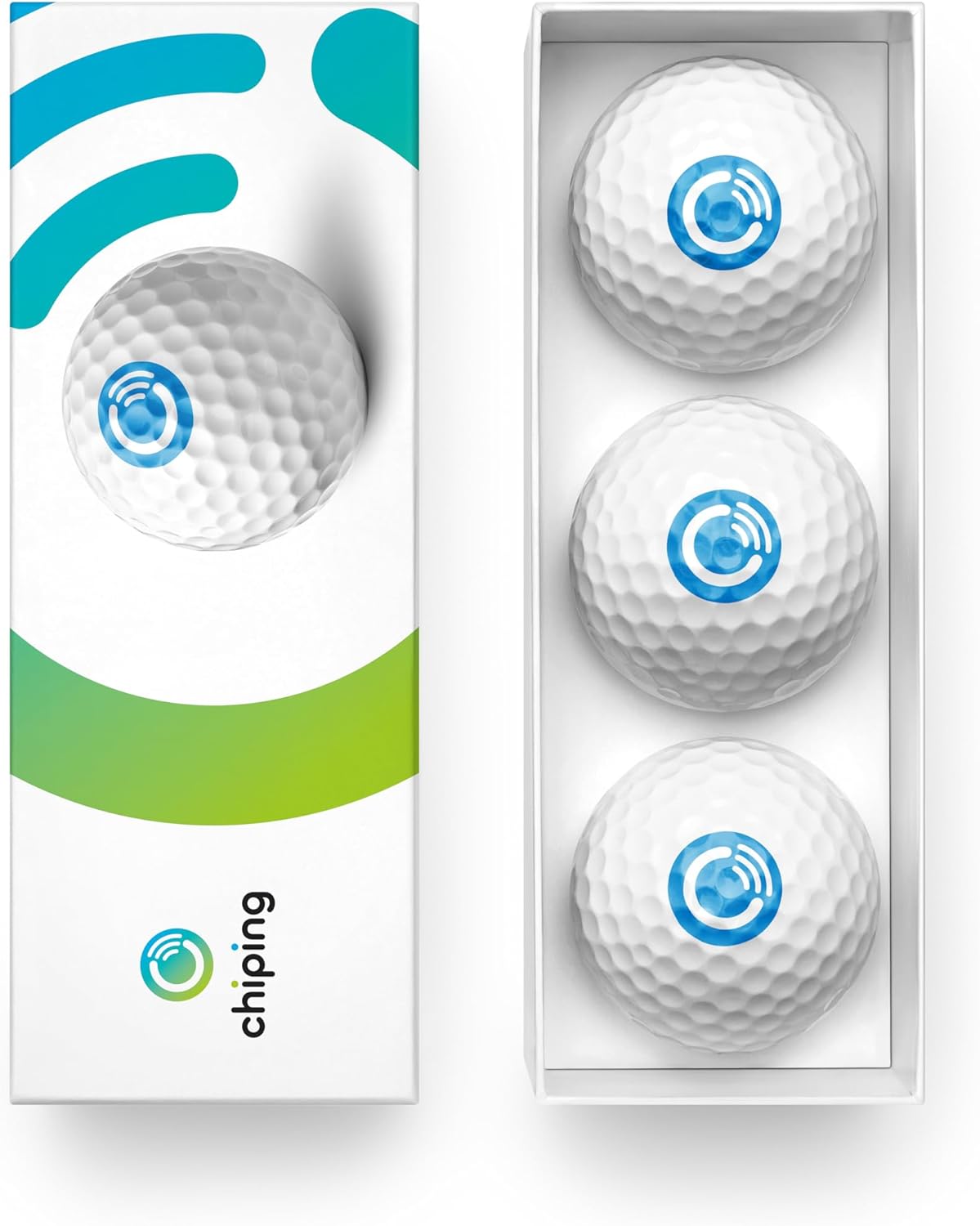
The Worlds First GPS Tracked Golf Balls – Play Faster – Score Better – Paired with The Chiping GPS App and 35,000 Courses Around The World.
Brand Generic Material Urethane
Color White Age Range (Description) Adult
Item Weight 0.5 Pounds
About this item
The smartest ball available
High-end 4 piece performance ball
Urethane core with advanced technology
Active mantle for better control
Surlyn cover for lower driver spin
Special rubber core for long distance and feel
Free Golf GPS App with Over 35,000 Courses
Made In Switzerland.